


Le style signature n'est pas ce que vous pensez.
WORDS
Lauren Rhodes
Lauren Rhodes
THE PAPER
Thought Pieces
Thought Pieces
There is a particular kind of satisfaction in looking across a body of work and sensing who made it. The projects may have nothing visibly in common—a private apartment, a restaurant, a hotel in another city—and yet something tells you the same studio is behind them. Not a named look or style. Something much more considered than that.
Signature style is a phrase that makes a lot of designers uncomfortable, and I understand why. It can sound confining. Somewhere along the way, it became shorthand for something flat: familiar references repeated project after project, a recurring palette, every client’s home arriving in more or less the same place.
But we all know that our work is too specific for that, too rooted in a person, a place, a way of living. The moment a designer starts reaching for the same answer regardless of what is in front of them, something essential has already gone missing.
My own view of what the term means is quite different. And that distinction, to me, is where it gets interesting.
For residential work, discussion is always where it begins. Sharon and I tend to take it a little further than most clients expect, warmly and curiously, and that is often when the more interesting things begin to surface. Which sentimental objects have survived every move, and why. Which room everyone ends up in by the end of the day. The Lalique vase they love but have convinced themselves does not belong in their new space (it does). The painting hidden away in the guest room because they could never quite decide where it belonged. Those details can be more revealing than the broader answers, and often make the most interesting place to begin.
The building carries its own history too. We once came across a project where a previous owner had been a model in the 1940s, and the designer had the tassels of the light sconces made to echo the earrings she wore in a magazine photograph from that era. Nobody would ever know. But the room knew.
What emerges from that depth of attention, to a person's life and to a building's past, is something that could only have belonged to this client and this place. The surrounding area, the quality of light at a particular hour, the family history folded in. A grandmother in Tuscany. A favourite hotel. Summers spent in cooler, darker rooms. None of it needs a literal translation. But all of it finds its way in.
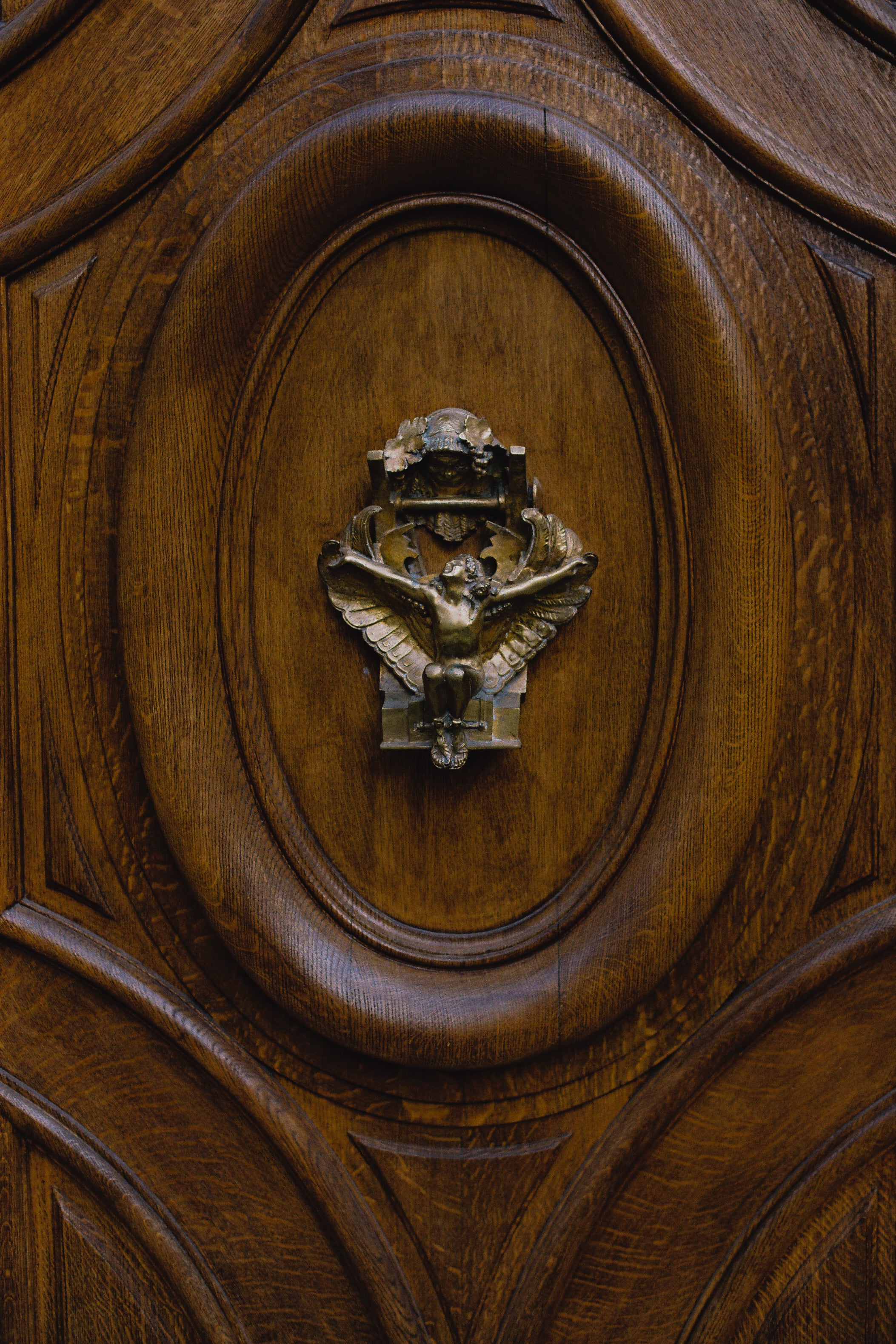
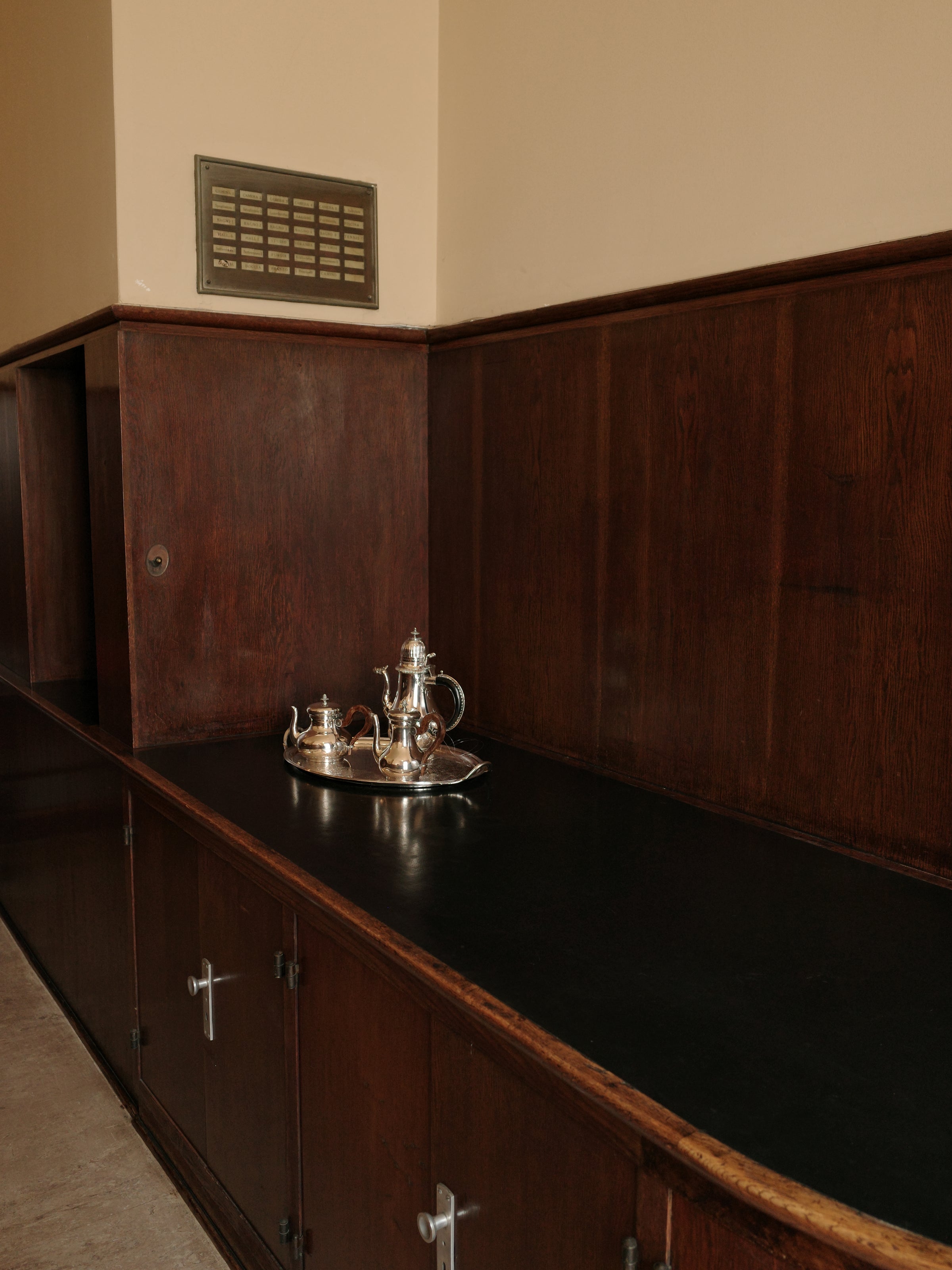
For a hotel, a restaurant or a retail space, the questions change but the depth does not. What does this place need to feel like at eleven in the morning and what does it need to become by eleven at night. What should someone understand within seconds of walking through the door, without being told. A narrow wine bar in Hackney asks one kind of question. A hotel in a grand building in Paris asks another. It is about reading what is there closely enough to know what kind of response is needed, and knowing, equally, when to get out of the way.
So the work changes. It should. What does not change is the studio doing the reading.
Two designers would come away from the same process with entirely different work. That is the point. One notices the quality of light the moment they walk into a space and starts there, every time. Another may begin with a single object, something with enough weight to anchor everything else around it. Same questions asked of the client, same site visit, entirely different rooms.
Which is also why a predetermined look, however refined, will always have its limits. Eventually there is a scheme that asks for something else entirely, a client or context that pulls the work somewhere unexpected, a brief that simply does not suit the answer already prepared. Work that comes from genuine enquiry has a quality that cannot really be arrived at any other way.
What keeps showing up
Looking across different studios, what emerges instead is a repeated way of seeing. One studio seems to begin with light every time, layering it carefully, lamps at different heights, warmth built into the architecture, nothing clinical, so that a pale monumental apartment and a dark atmospheric retail space still feel related. Another is always looking for weight, something with enough presence to steady the room, a tapestry, a wall relief, a surface with age in it, and you notice that instinct in a private dining room, then again in a hotel lobby years later. Elsewhere, it is material that leads, marble, dark timber, lacquer, used without hesitation and taken as far as it can go, because to soften the choice would be to lose the point.
Sometimes the thread lies in how a room feels collected rather than composed, pieces from different periods sitting together as though they arrived naturally over time rather than all at once. For others it is the relationship between inside and outside, materials chosen in direct response to what exists beyond the window. Others build outward from a single work of art, one piece that sets the temperature for everything else, the palette, the scale, the entire emotional register of the room.
These are the instincts a studio cannot help returning to, however different the outcome looks. It is worth saying too that the thread lives as much in what a studio leaves out as in what it reaches for.
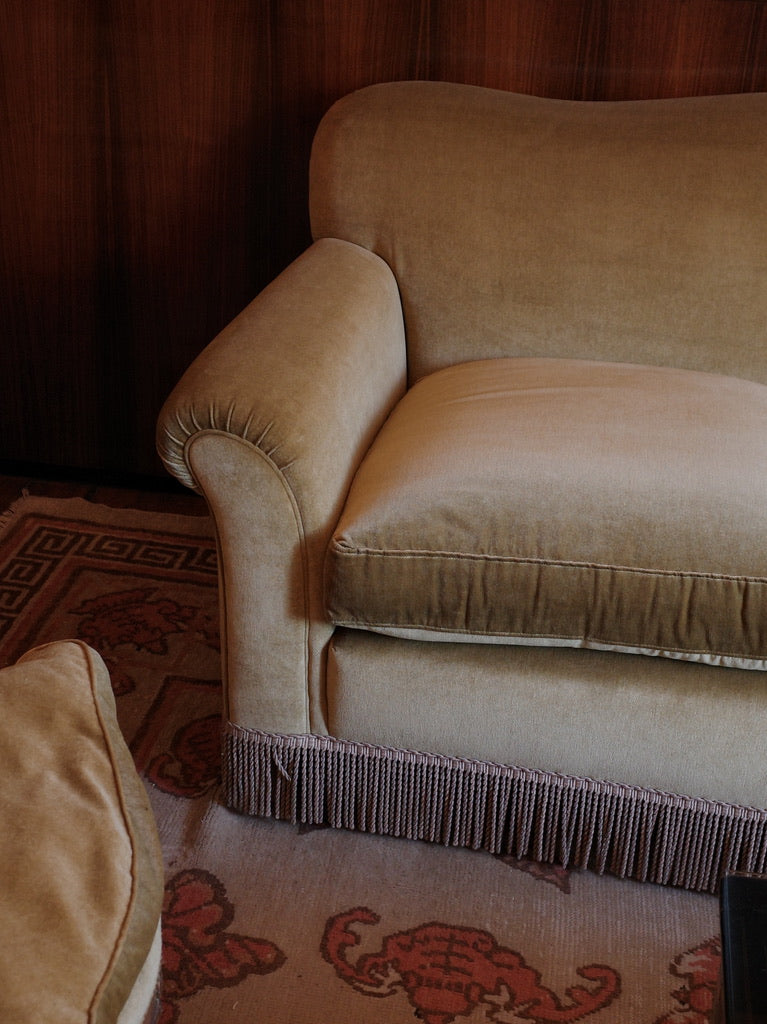
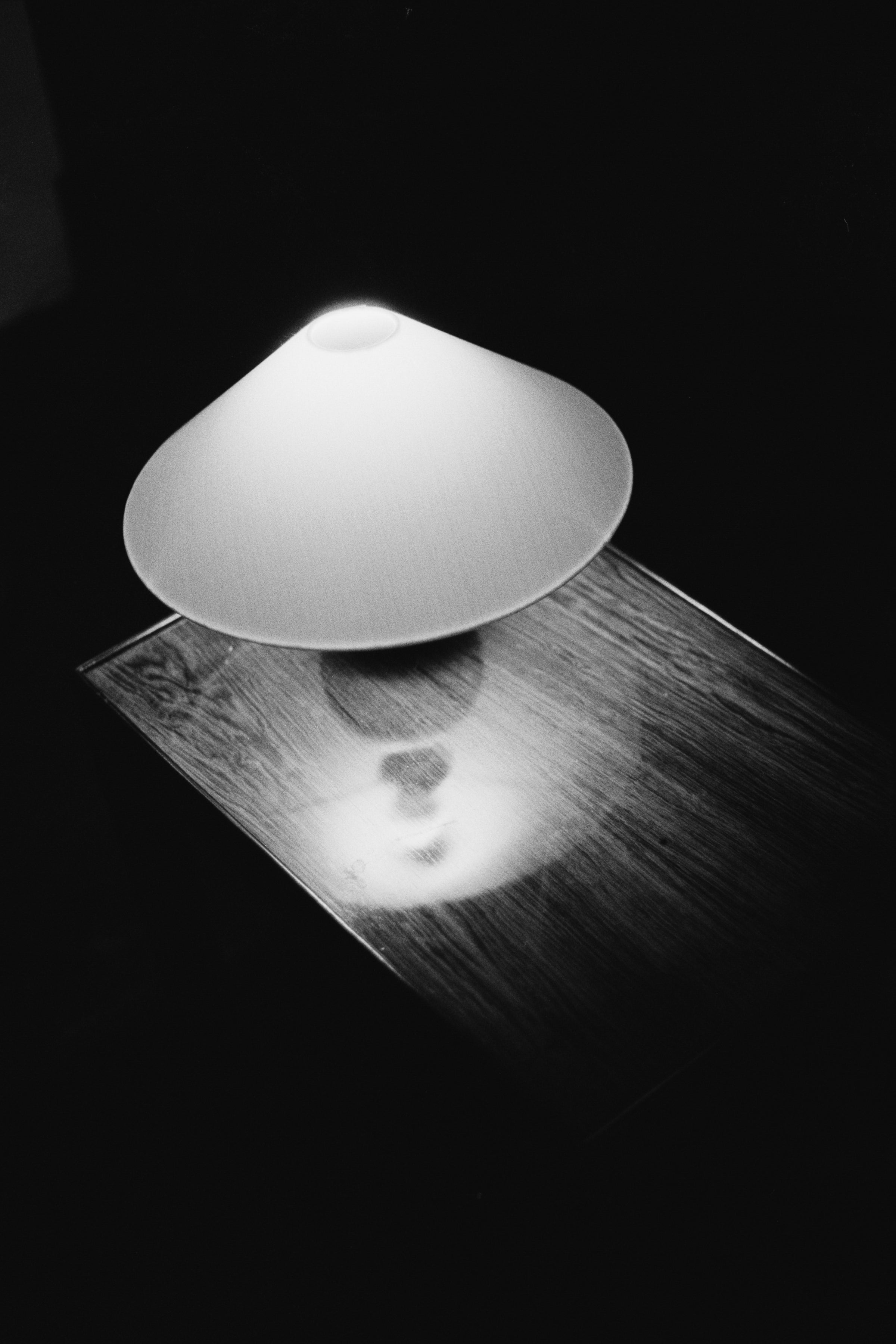
What a client feels before they can explain it
When someone seeks out a particular designer, they often cannot fully explain why. Something in the work resonated, a quality of attention, perhaps, or the sense that this person will understand their taste more deeply than they have managed to articulate themselves. That is what they are commissioning.
The reason this so often gets mistaken for a look is that the projects are the visible part. What sits beneath them reveals itself more slowly. It only really comes into focus when you look across enough work and begin to notice what keeps resurfacing from one interior to the next. It is also what a studio communicates long before a client ever gets in touch, something we explored in our piece on world-building. The images they post from travel. The old books left open in the studio. The references pulled from fashion, film, art, or somewhere else entirely.
That atmosphere, built gradually around the work, is part of the signature too. The studios that develop a genuine point of view are usually the ones feeding it constantly, not from the same sources everyone else is drawing from, but from less obvious places—archives, other disciplines, eras nobody is currently referencing. The tastemakers, in every field, have always understood this. The work that lasts rarely comes from looking at what everyone else is looking at.
Look at the projects you admire properly, and not in isolation. Pull several interiors from the same studio together and something usually begins to emerge. A particular way with light. A certain confidence with material. Pieces from different periods made to live together.
Try it with studios whose work feels far from your own, or from a completely different era altogether. I spent time recently looking closely at Armand-Albert Rateau. The patinated bronze, the japoniste forms, a particular relationship between nature and ornament. Looking that carefully at a practice so removed from the present made something clarify. The thread in his work is impossible to miss.
Then look at your own work. Think of two projects you are proud of that look nothing alike. Look past the finished imagery and at the instincts underneath them. I did this with Sharon recently, and the same preferences kept surfacing once the obvious differences were set aside. No fuss. No clutter. Natural materials. Fewer, more deliberate choices rather than many smaller ones. That is usually where the signature begins Not in the visible similarities, but in the instincts that keep returning across very different work.
Signature style is not something to find and then freeze in place. The designers I admire most, however established, stay curious. They keep looking closely. They keep changing their minds. They keep letting new references, new places and new ways of living sharpen what they already know. That is part of what makes the work feel alive. And honestly, that is what feels exciting now—not the idea of protecting some fixed identity, but the chance to bring a little more thought and specificity into the industry. After all, to be recognisable is one thing. To be predictable is another.
More Reads

II / Conversation
Le son de la couleur

III / Conversation


