


Le monde autour du travail
WORDS
Lauren Rhodes
Lauren Rhodes
THE PAPER
Thought Pieces
Thought Pieces
The term 'brand world' is having its moment right now. I've started to see it referenced everywhere. For me, it is something I have been working on with clients for years, just without ever having a name for it.
It is the thing that, more than anything else, draws me to a brand. I always find myself returning to the ones that make me feel something. A small perfume house shaped by 20th-century literature. A jewellery brand whose campaign imagery feels so particular that I am drawn in before I have looked properly at the pieces. A hotel I have never visited but am desperate to stay at.
I started to understand what made certain brands truly distinct when I set up my own creative agency. Studying the ones I admired most, I noticed it was rarely the work itself that set them apart. It was the world they had built around it, the part you may not consciously notice, but always feel. The history a collection draws upon. The way it sits alongside art, architecture, travel and objects. Brands publishing city guides—a clothing label's morning in Florence or a furniture brand's favourite corner of Lisbon. None of it is the item or service itself, but it changes how everything is perceived.
Interior designers are perhaps better placed than anyone to understand this. A room is never only what is immediately visible. Atmosphere and reference are already part of how it comes together, and how it is understood. The more pressing question is how consciously that same way of seeing extends beyond the space, and into the way a studio presents itself.
The relationship between brands and culture has always existed. What has changed is the ambition behind it. The most distinctive brands, often the smaller and more considered ones, began building entire contexts around their work out of genuine conviction rather than calculation. Luxury followed, and made it definitive. But what they are really offering is an identity to step into. You do not just buy the product. You become the person who owns it, and that person has a specific way of living — a city they return to, a café they always find themselves in, a particular way they spend their mornings.
The Row often places images of art and architecture around its collections, framing everything it makes within a set of references. At last year's Salone del Mobile, Saint Laurent presented furniture from Charlotte Perriand's archive, whilst Loewe and Gucci positioned themselves through craft and materiality rather than their own products. In each case, the point was association. A way of signalling the cultural space a brand belongs to and the feeling it creates. And when it is done well, people do not simply admire it from a distance. They want to be part of it.
For interior designers, the principle is much the same. A client is not choosing a designer in the same way they might buy a suede coat or a bottle of perfume, but they are still responding to a world. Sometimes the reaction is immediate and personal: this designer understands me, and how I want to live. Their taste aligns with my own. At other times, the pull is more aspirational: the projects are extraordinary, the references are compelling, the eye behind it all feels so distinct. It is not necessarily how the client lives now, but a sensibility they are drawn towards.
I find that distinction interesting. In one case, the client feels recognised. In the other, it is not simply that the work is beautiful — it is that it seems to belong to a life they want to be closer to. And so, in choosing that designer, they take a step toward it.
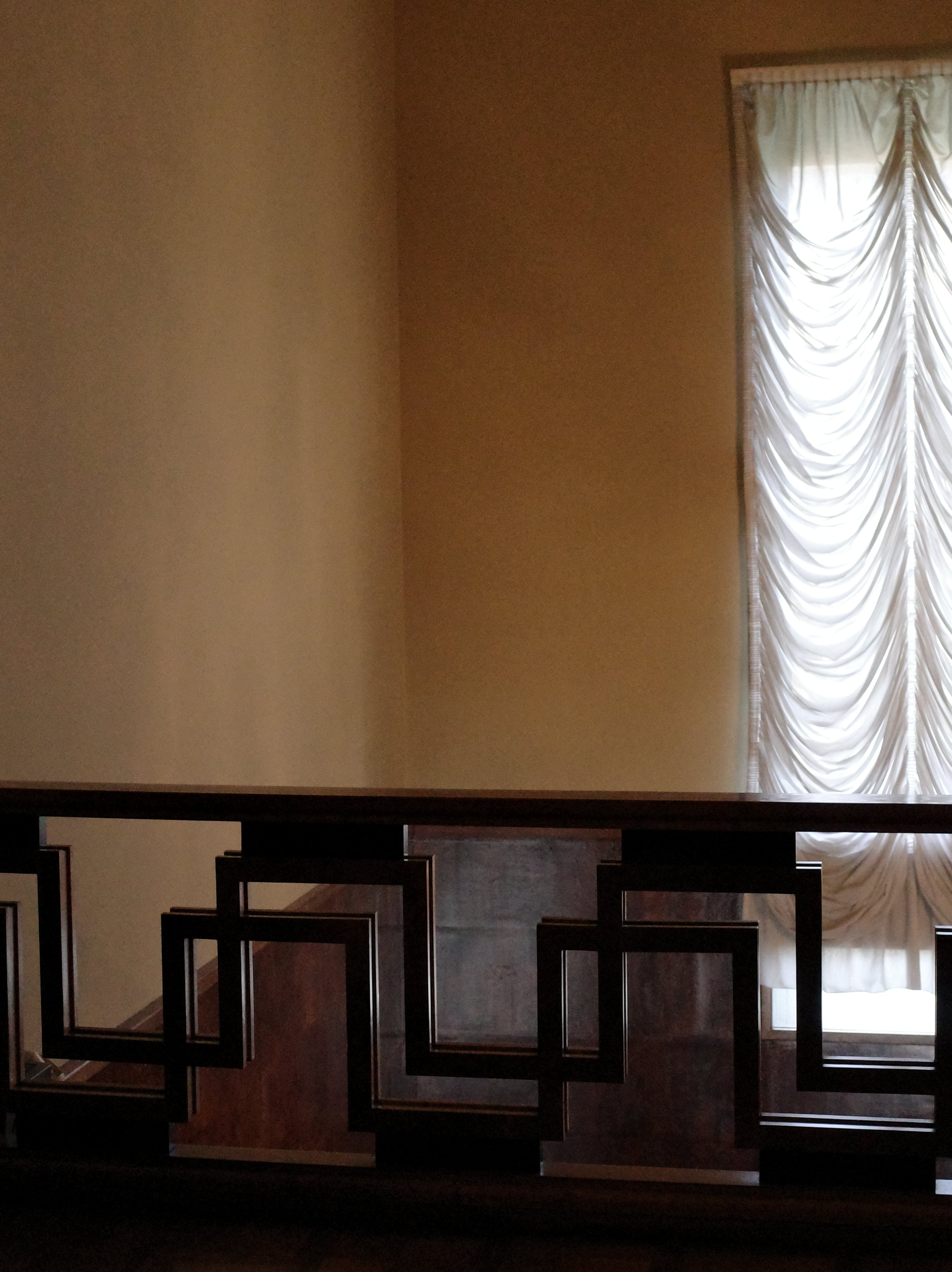
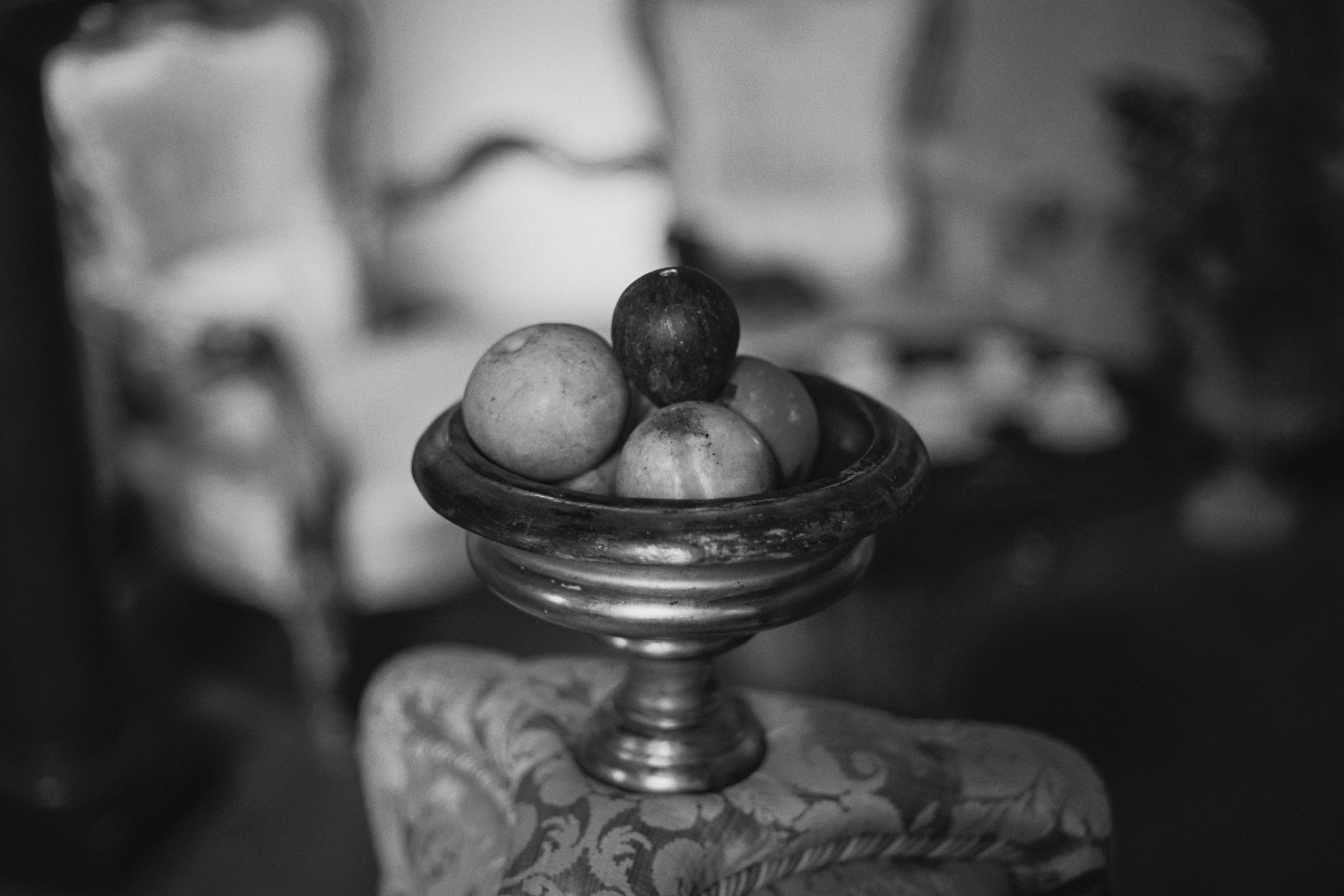
That, to me, is what world-building should be for designers. Not decoration or performance, but a clearer expression of the thinking and taste behind your studio.
A considered logo, colour palette and website help set the tone. But the fuller picture is often built more gradually, and matters most when the portfolio alone cannot yet say everything you want it to say. For an emerging studio, it can suggest who you are and the kind of clients you hope to work with before the projects exist to prove it. For a more established practice, it can signal where things are heading rather than where they have been. The books on your desk. The scent in the studio. The materials you return to. The image shared on a Tuesday afternoon that has nothing to do with a current project but everything to do with your eye. A photograph from a museum visited in Milan, which informed a kitchen designed months later.
None of it is incidental. Together, it creates an atmosphere, and that is often what a client is absorbing long before they enquire. You do not need to share everything. World-building is about curation — knowing what belongs and what does not. When something is staged, people can feel it. When it is not, they can feel that too.
This is only the beginning of the conversation. When a designer builds this kind of world well, it stops being about marketing entirely. It becomes the work. That is what I want to explore in later editions of The Paper.
More Reads

II / Conversation
Le son de la couleur

III / Conversation


