


The Spirit of the Place: A Conversation with studioutte
WORDS
Lauren Rhodes
Lauren Rhodes
THE PAPER
Conversation
Conversation
For Patrizio Gola and Guglielmo Giagnotti, atmosphere is a material in its own right, worked as closely as wood or stone. They founded studioutte in Milan in 2020, where a project starts with what a room feels like to be in: the light at different hours, how it sounds, the floor underfoot.
The studio works across interior architecture, furniture and decoration. The name comes from hütte, German for hut or shelter, which suits the work: plain, exact, cut back to what a space needs. The ert chair was their first piece, seven planks of wood with a low, carved half-moon back, more sculpture than seat, still made by hand by the same workshops in Padova and Milan.
It has been a busy year. At Milan Design Week in April, they turned their own offices into Camera Fissa, a cinematic, club-like room in alabaster and dressed in Dedar fabric, made in collaboration with New York studio De Troupe. Last week, at 3daysofdesign in Copenhagen, they showed their first rug collection: Dedalo, three pieces for cc-tapis, the architectural patterns pared back to grids and repeats in ivory, brown, mustard and black.
The work does not announce itself. It asks you to look properly. For The Paper, we spoke to Gola and Giagnotti about reading a space, working with makers, and knowing when to leave a room alone.
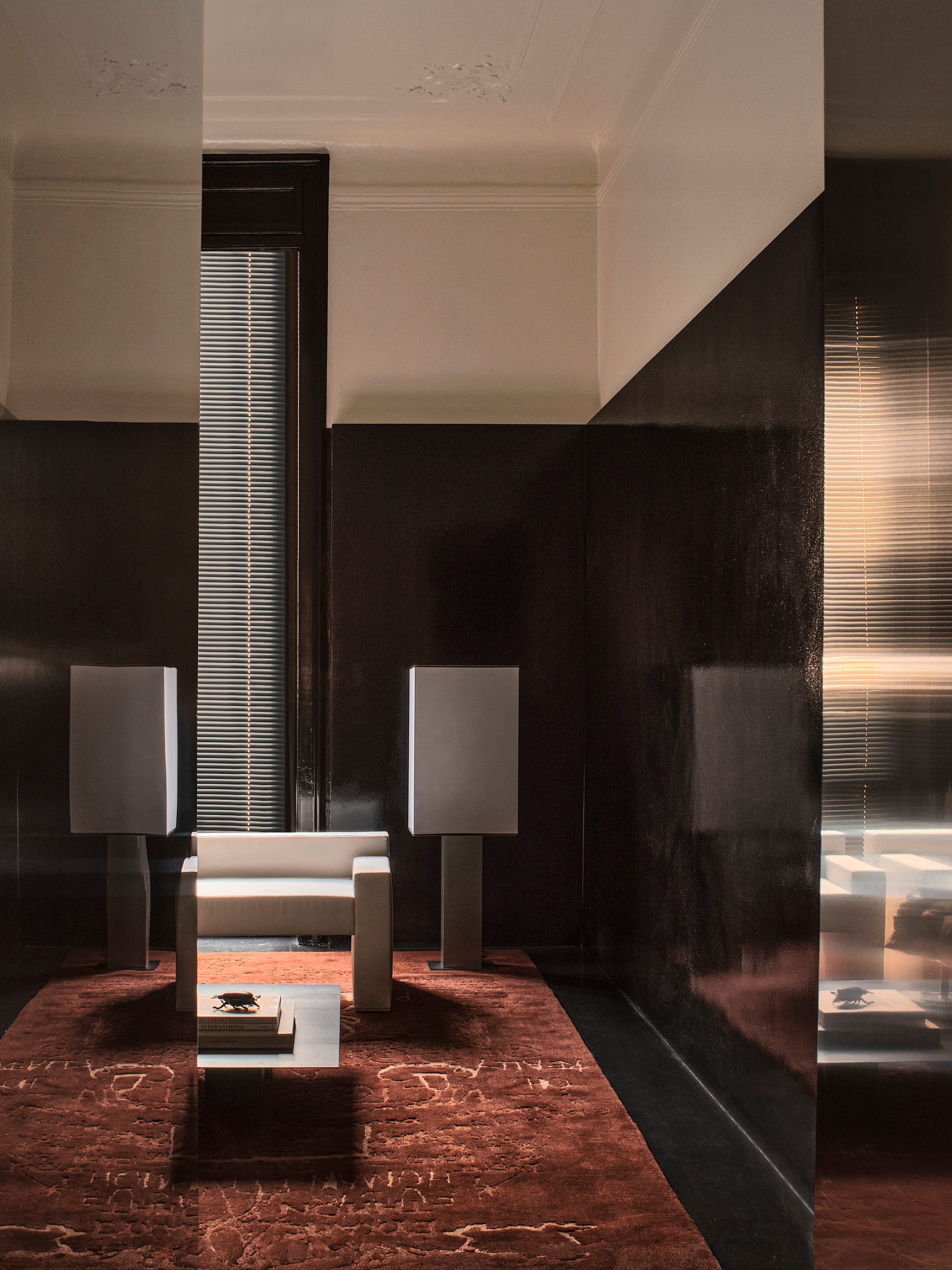
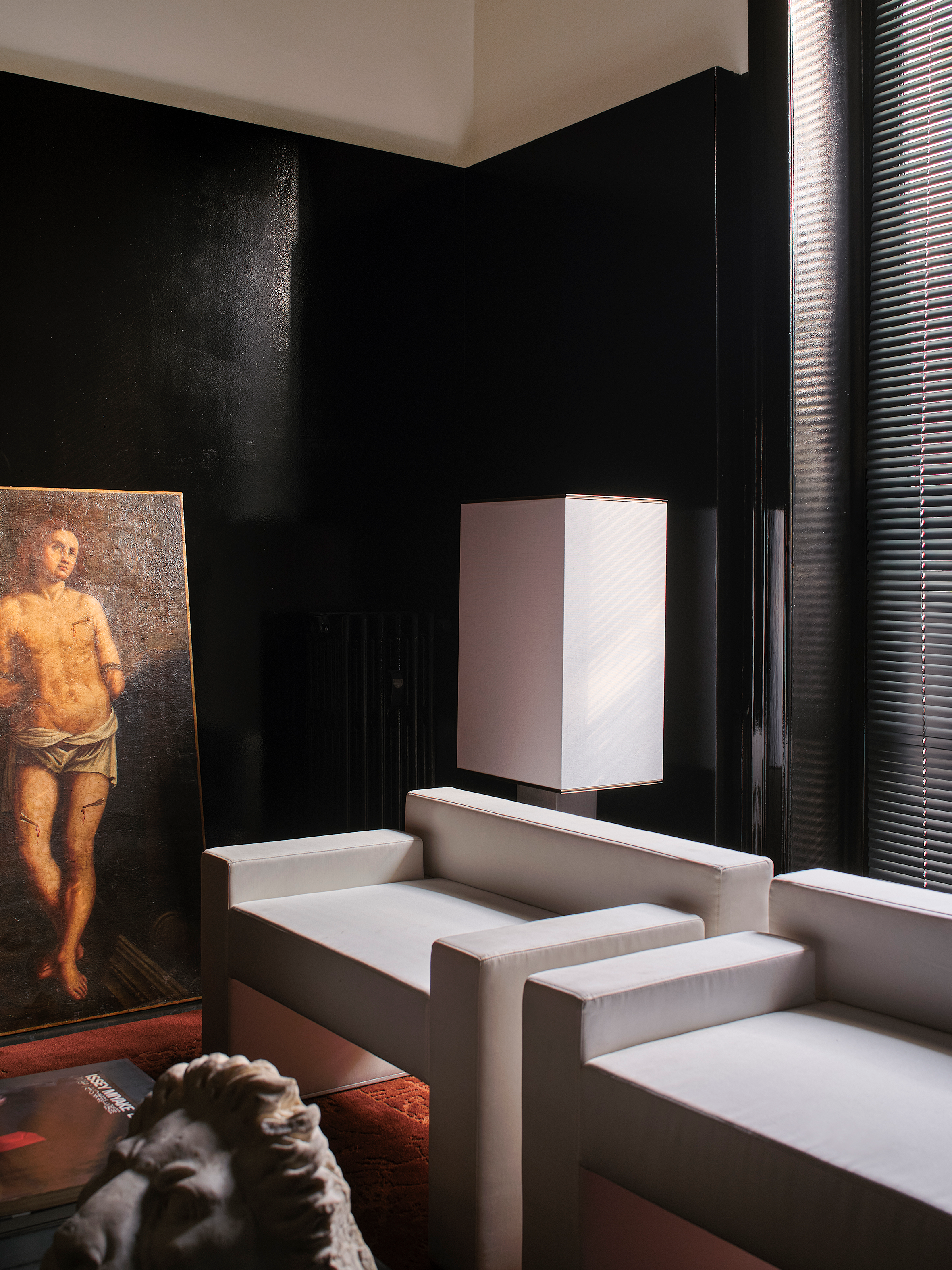
CR: You've said that genius loci, the spirit of the home, is where every studioutte project
begins. What does reading a space actually look like in practice, and what do you do when the spirit of the place and the client's brief don't agree?
SU: Reading a space starts with observation before any intervention. We try to understand its existing rhythm — the quality of light at different hours, the proportions, the materials already present, even the imperfections and irregularities that carry a certain history. Most spaces already hold a quiet logic of their own, and our role is not to overwrite it but to make it more legible.
At the same time, a project needs to respond to the client's life — how they move, how they want to feel at home, what matters to them beyond a set of references. Sometimes the space and the brief are immediately aligned. Sometimes there is a tension between them, and that is actually where the most interesting work begins.
In those moments the process becomes one of dialogue and careful editing. We try to understand what the client is truly looking for beneath the initial requests — what is the emotional core of what they are asking for. Usually there is a way to reconcile both worlds by stripping away excess and returning to what feels genuinely essential to the place. We rarely arrive with a predetermined idea of what a space should become. The architecture, the context, and the atmosphere should always lead.
CR: For most designers, finding a point of view takes years. Staying with it is harder still: amid images, the noise, what other studios are doing and what the industry rewards. Your influences are clearly defined, but the work never feels fixed. How did you find your guiding principles, and what keeps you aligned with them?
SU: Our principles came less from trying to define a specific aesthetic and more from a long process of reduction. From the beginning we were drawn to spaces that feel calm, essential, and emotionally durable. Vernacular architecture, Italian rationalism of the 20s and 40s, monastic spaces, interiors where atmosphere is the primary material — these were the references that kept returning. Over time we understood that we are less interested in novelty for its own sake and more in creating environments that age naturally, that remain relevant beyond the moment in which they were conceived. What keeps us aligned is probably a certain distance we try to maintain from the pressure to constantly produce something louder or more immediate. We focus on proportion, materiality, light, craftsmanship — things that tend to outlast images.
That said, we never want the work to become rigid or self-referential. Every project has its own context, its own specific life. The language evolves, but the underlying principles stay consistent. The challenge is keeping those two things in balance.
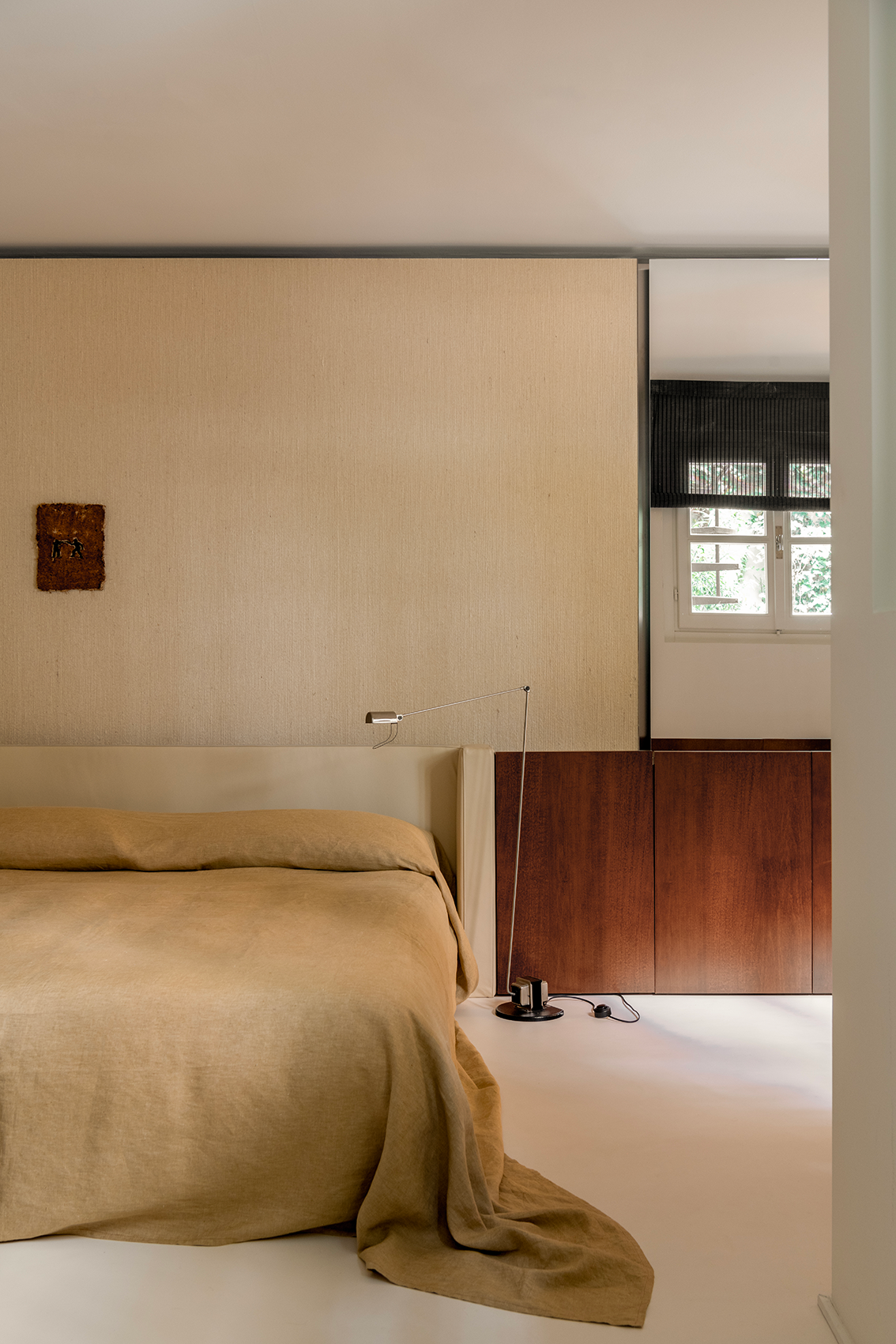
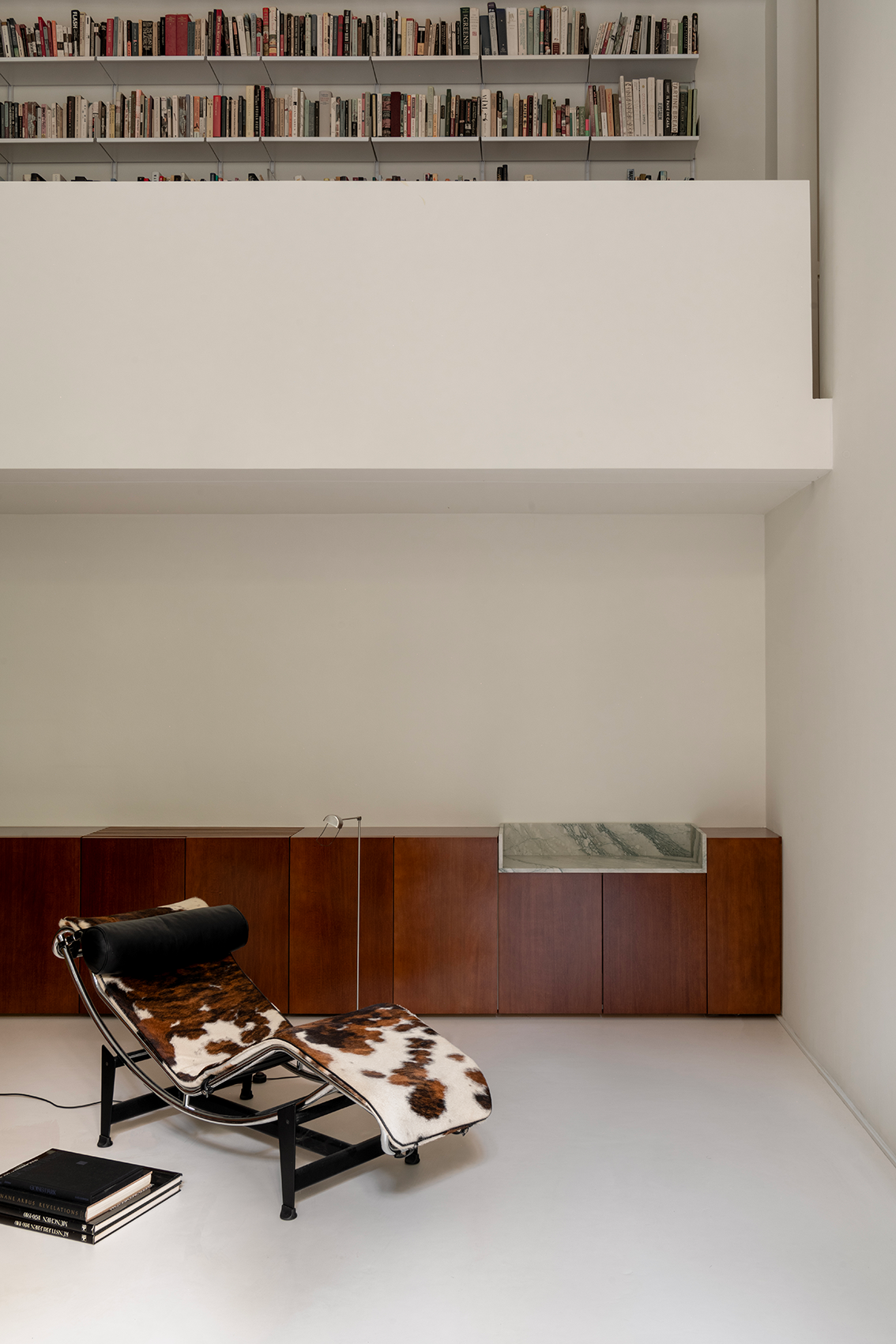
"Often the most significant decisions in a project are the things we remove rather than the things we introduce. Simplicity is difficult precisely because it requires both restraint and precision at the same time."
CR: To make something that doesn't belong to a specific era, you've said you have to eradicate trends from your thinking. Designers often find clients arriving with their own references — a Pinterest board, or increasingly their own AI generated imagery. How do you guide them past those references towards something that will still feel right in ten years?
SU: References can be a useful starting point because they reveal what someone is emotionally drawn to — but we try never to treat them too literally. Images circulating online are often completely disconnected from context, function, or the reality of daily life. They create an immediate desire, but not necessarily a lasting relationship with a space.
Our role is often to slow the conversation down and shift it away from isolated images towards atmosphere, feeling, and how someone actually wants to live. We ask clients how they want the space to feel in the morning, in the evening, in ten years. What do they want to feel when they come home at night? That kind of question tends to reveal something much more genuine than a mood board.
For us, timelessness is not neutrality or an absence of character. It is about creating spaces that are grounded enough to evolve naturally alongside the people inhabiting them. The projects that age best are almost always the ones built around proportion, material honesty, and emotional clarity rather than visual novelty. Once clients experience that quality of space, the references tend to fall away by themselves.
CR: You've said that simplicity takes longer than addition. How do you know when a room has reached the point where adding anything more would weaken it?
SU: There is no precise formula, but there is a moment — and you feel it — when a space becomes fully balanced. When every element has a clear reason to exist and nothing is competing for attention. That equilibrium is what we work towards.
We spend a great deal of time on the editing process. Often the most significant decisions in a project are the things we remove rather than the things we introduce. Simplicity is difficult precisely because it requires both restraint and precision at the same time. It is easier to add than to commit to leaving something out.
A room feels complete to us when the atmosphere becomes clear and still — when the materials, proportions, and objects coexist without strain. If introducing another gesture starts to pull attention away from that balance, it is usually a sign that the space was already finished. The risk is always doing one thing too many.
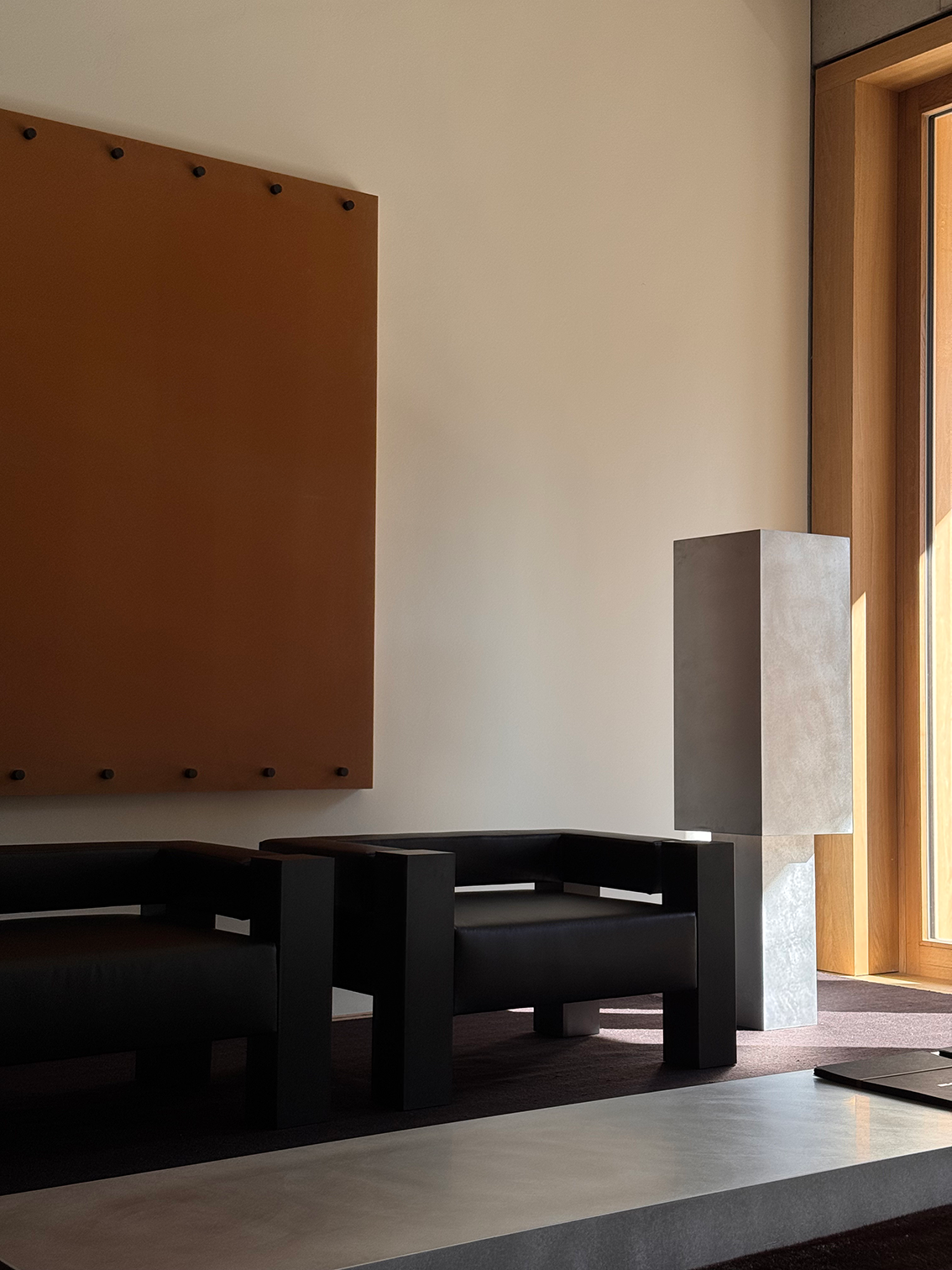
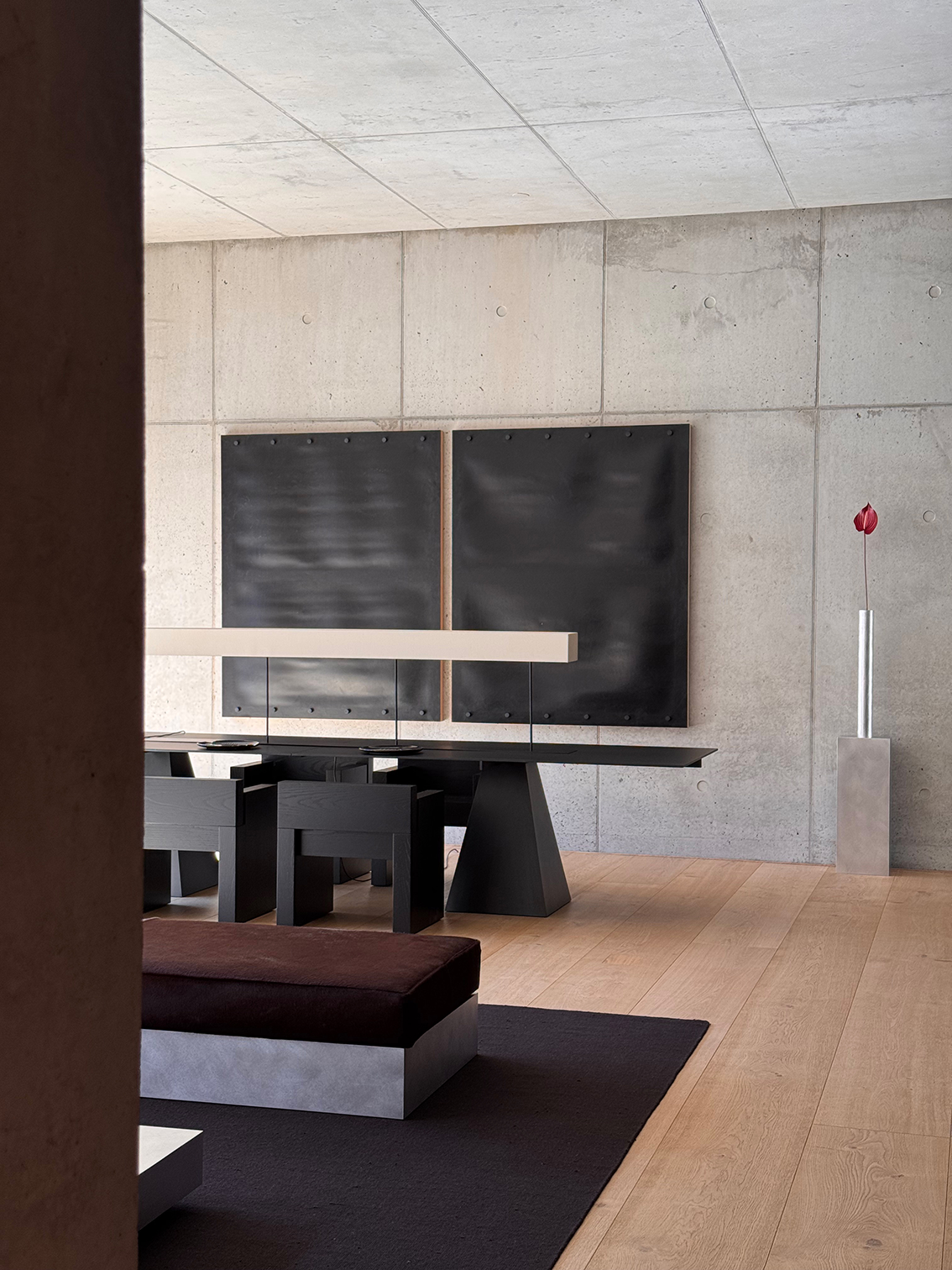
CR: Local makers, across a range of materials, sit at the centre of your work. For designers wanting to build those relationships, how do you find the right people, and how does the trust develop?
SU: These relationships almost always develop slowly and organically — through visits, shared conversations, recommendations, or simply spending time in someone's workshop trying to understand how they work and what they care about. You cannot rush it. We are drawn to people with a deep knowledge of their materials and processes — woodworkers, metalworkers, stone artisans, ceramicists — because they bring a layer of intelligence and precision into a project that goes well beyond execution.
For our furniture collection, everything is handcrafted in collaboration with artisans in Padova, in Milan, and across the wider Lombardy region. We visit regularly. We engrave pieces by hand on site. It is a very manual, tactile process, and that proximity matters. Trust builds through continuity and mutual respect. We try to involve makers early — treating the collaboration as a genuine exchange of ideas rather than simply the delivery of a specification.
Over time, that dialogue becomes one of the most valuable parts of how we work. The pieces become more refined, more rooted in place, and carry something of the person who made them.
CR: We visited your Atollo installation last year and Camera Fissa this year. Both stayed with us in a week where most things blur together. Fuorisalone leans heavily toward spectacle now — the large fashion houses, the hours-long queues. For a designer there for the real work — references, makers, inspiration for future projects — what's your advice for navigating it?
SU: Milan during Fuorisalone can become overwhelming very quickly. There is an enormous quantity of noise and stimulation, and it is easy to leave the week feeling visually saturated rather than genuinely inspired. The scale of it has changed significantly. For us, the most meaningful experiences are almost always the quieter ones — smaller galleries, conversations with makers, independent presentations in spaces with a strong atmosphere and a clear point of view.
The projects that stay with us are rarely the loudest ones. They are the ones that create a specific emotional memory through materiality, light, sound, the quality of a surface, the smell of a space. Our advice would be to resist the impulse to consume the week entirely — to move through as many things as possible. It is far more valuable to spend real time with fewer things. Go somewhere because something genuinely interests you, not out of obligation or because it is generating the most attention. The things worth finding are rarely in the longest queues.
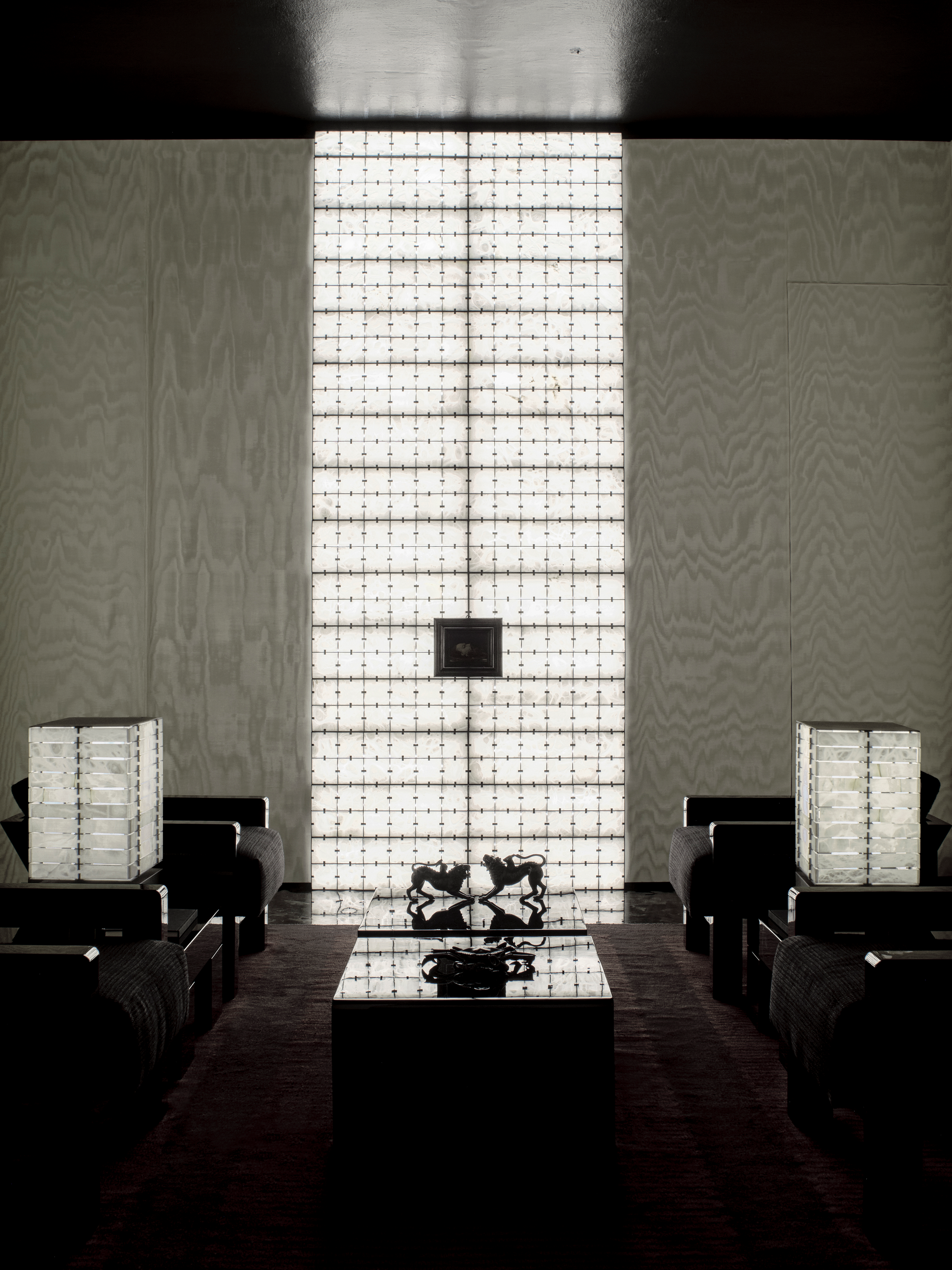
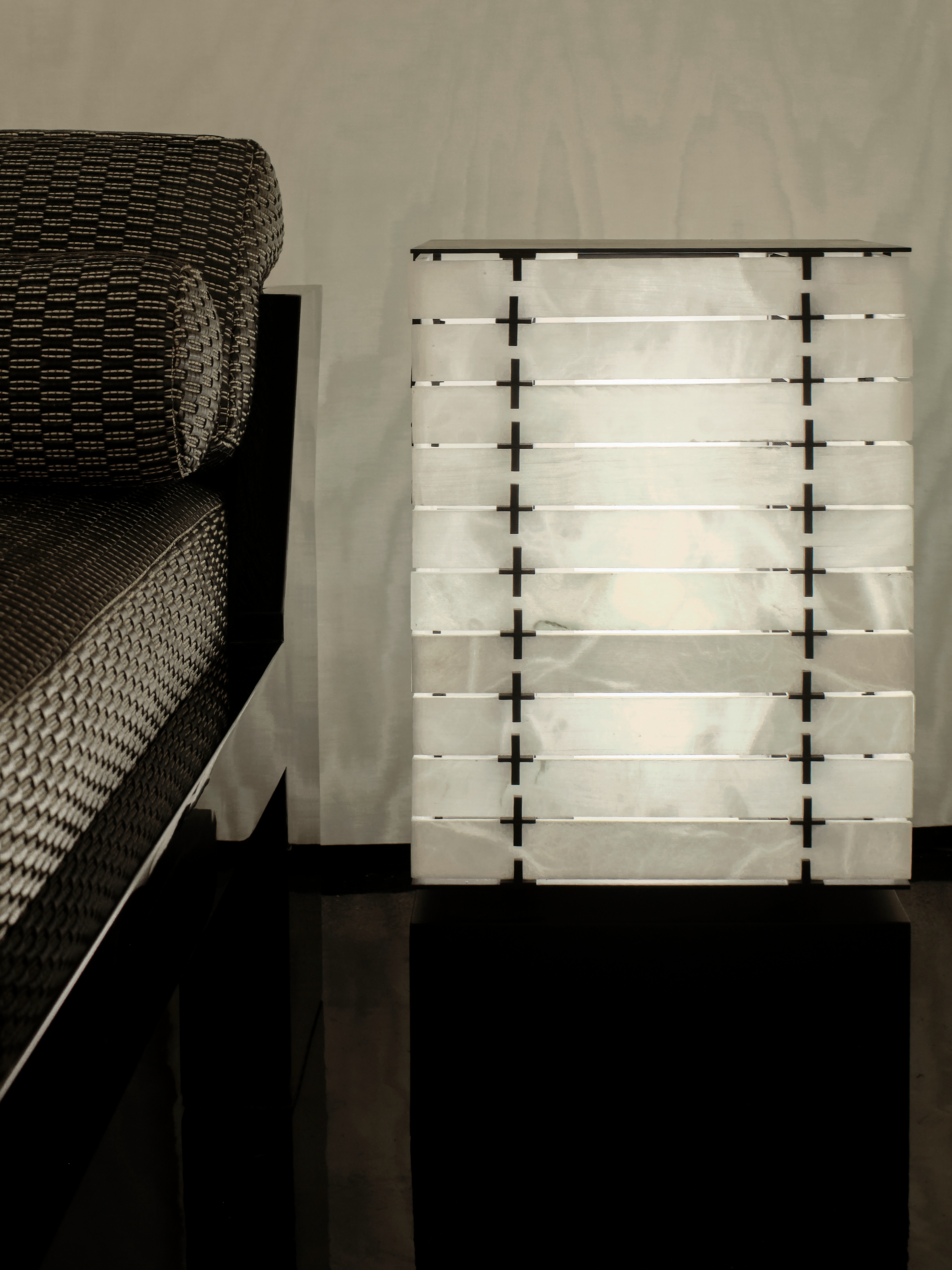
CR: Across both installations, the design, scent and sound worked as one rather than as separate gestures. That immersive atmosphere is what we left thinking about. For a designer wanting to bring the same feeling into a project — residential or commercial — where should they begin?
SU: Atmosphere is never the result of a single isolated element. It comes from the accumulation of many small decisions that belong to the same emotional register. We think a great deal about how a space is perceived sensorially — not only visually, but through sound, tactility, scent, and the rhythm of how you move through it. Even very subtle details can completely alter how a place is experienced emotionally. A material underfoot, the reverberation of a room, the temperature of light at a specific hour.
The important thing is that all of these elements feel coherent and genuinely connected to the architecture — not applied as decorative additions after the fact. We always begin with the spatial feeling first: proportion, light, circulation, the material palette. The other sensorial layers develop from there, naturally. When everything belongs to the same emotional language, the atmosphere becomes immersive almost without forcing it. You stop noticing the individual decisions and simply feel the place.
CR: studioutte has grown across interiors, furniture and collaborations. How does the studio run differently now from when you started, and what have you deliberately kept unchanged?
SU: The studio is more structured today than in the beginning — the scale of projects, the collaborations, and the level of coordination have all grown. When we started, everything was instinctive and very hands-on. In some ways we try to preserve that quality even as things evolve. We remain closely involved in the conceptual and material development of every project. The relationship with clients, makers, and collaborators stays personal.
That proximity is something we actively protect, because the moment you lose it the work tends to lose something essential too. What we have deliberately kept unchanged is the intention behind everything we do. We still approach each project with the same interest in atmosphere, restraint, materiality, and the idea of creating something that will age well.
Growth only makes sense to us if the work continues to feel personal, coherent, and emotionally grounded. The danger of a growing studio is that the practice becomes institutional before the ideas do.
Headshot credit: Vilhelm Björndahl
More Reads

II / Conversation
The Sound of Colour, with COAT Paints

III / Conversation


